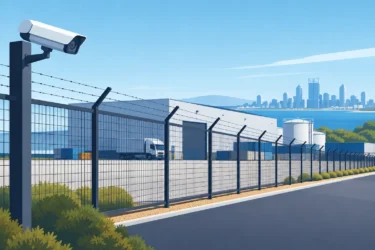
How to Protect Vacant Properties in Perth

A vacant home, tenancy, warehouse or worksite can attract attention far sooner than most owners expect. An overflowing letterbox, dark frontage, open side gate or a roller door left unsecured can signal an opportunity. Knowing how to protect vacant properties means treating the site as an active security risk from the day it becomes empty, not after damage or theft has occurred.
Vacancy changes the way a property needs to be secured. There are no staff members arriving each morning, no family coming home at night and no regular activity to discourage trespassing. A practical plan combines physical security, visible deterrence, early detection and a clear response process. The right balance depends on the property, its location, the value of assets left onsite and how long it will be unoccupied.
How to protect vacant properties with a layered plan
One security measure is rarely enough. Strong locks may slow an intruder down, but they do not alert anyone to an attempted break-in. Cameras can provide useful visibility, but their effectiveness is limited if they are poorly positioned or if the site is completely dark. A layered approach closes those gaps.
Start by assessing the property as someone trying to gain unauthorised access would. Walk the perimeter, including rear laneways, side gates, loading areas, roof access points and adjoining vacant land. Check whether fences can be climbed, windows are obscured from the street, external equipment can be removed easily, or keys and remotes may still be held by former occupants or contractors.
For a residential property, the focus may be on doors, windows, garages and side access. Commercial and industrial sites also need attention around roller shutters, plant rooms, stock areas, delivery bays, server cupboards and areas where tools, copper, fuel or machinery are stored. If a building is undergoing renovations, temporary fencing and unsecured building materials can create further entry points.
Secure entry points before relying on technology
Electronic security is most effective when doors, windows and gates are physically sound. Repair loose frames, damaged locks, broken glass, sagging gates and malfunctioning roller doors before the property is left vacant. Reinforce vulnerable doors where necessary and remove spare keys from obvious hiding places.
Change locks or rekey cylinders when tenants, employees, trades or contractors have recently had access. This is particularly important following a tenancy change, business closure or staff departure. Remote controls, swipe cards and fobs should be accounted for and cancelled where possible, rather than assumed to have been returned.
For commercial premises, access control offers much more control than a shared key ring. Permissions can be limited to authorised people, access can be removed quickly, and entries can be recorded. This is useful where landlords, cleaners, maintenance providers and project teams still require occasional access during a vacancy.
Use an alarm system that detects genuine intrusion
An intrusion alarm remains one of the strongest tools for protecting an unoccupied building. Door contacts, motion detectors, glass-break detection and perimeter devices can be selected according to the layout and risk level. When a system is professionally designed, it detects likely intrusion routes without creating unnecessary false alarms.
The communication path matters as much as the alarm panel itself. A system should be configured to notify the appropriate contacts or monitoring service, with a clear procedure for what happens after an activation. If the property has unreliable mobile coverage or internet service, this needs to be considered during design rather than discovered during an incident.
Before vacancy begins, test every sensor, keypad, siren and communication function. Replace ageing batteries and arrange servicing if the system has not been inspected recently. An alarm that has been switched off because it is troublesome is not protection.
Position CCTV for verification, not just recording
CCTV gives owners and managers a way to verify what is happening onsite and retain footage if an incident occurs. For vacant properties, coverage should focus on the approaches an intruder is most likely to use: front and rear doors, gates, driveways, roller doors, loading zones and high-value internal areas.
Camera placement should account for lighting, glare, weather exposure and the distance needed to identify a person or vehicle. A camera mounted high above a driveway may show movement, yet be unable to provide a useful image of a face. In larger facilities, a combination of fixed cameras for key entries and wider views for yards or warehouses is often more practical.
Remote viewing can be valuable for owners managing several locations or properties outside Perth. However, it should complement inspections, not replace them. Cameras cannot repair storm damage, remove dumped rubbish or identify a failing gate motor before it leaves the site exposed.
Keep the site visibly managed
Many vacant-property incidents begin because a building appears neglected. Simple presentation measures make a clear difference. Keep lawns and gardens maintained, collect mail, remove rubbish, and repair damage quickly. Timed or sensor lighting at entrances, pathways and parking areas can make access less appealing after dark.
Avoid leaving ladders, tools, pallets, bins or loose materials near fences and windows. These can become climbing aids, concealment points or tools for forced entry. Where a commercial site has external storage, secure it separately rather than assuming the main building alarm is sufficient.
Signs indicating monitored alarms or CCTV may add a deterrent effect, but only when supported by functioning systems. Empty warning signs on an unprotected property can create false confidence for the owner and may be quickly recognised by repeat offenders.
Set a reliable inspection and response routine
A vacant property needs a named person responsible for checking it. The frequency should reflect the risk. A well-secured residence vacant for a fortnight may need a different schedule from an industrial site holding equipment, or a shopfront undergoing a long fit-out.
Each inspection should follow the same process so changes are noticed. Check that all access points are secure, alarms and cameras are operating, lights are functioning, and no damage, water leaks, graffiti or attempted entry has occurred. Photographing concerns and keeping a brief record is useful for property managers, insurers and maintenance planning.
A response plan should also be agreed before there is a problem. Make sure relevant contacts know who can attend, who can authorise repairs, how alarm codes are managed and when police should be contacted. For commercial operators, this may include building management, security personnel, keyholders, insurers and specialist contractors.
Do not overlook maintenance during a vacancy
Security equipment is not set-and-forget. Dust, insects, flat batteries, changing network settings and weather exposure can affect performance over time. A camera may be recording an obstructed view, an alarm detector may have become unreliable, or a gate may fail to close fully after repeated use.
Regular servicing helps identify faults before the property is tested by an attempted break-in. It is also the right time to review whether the system still suits the site. A warehouse that has been emptied may require a different camera layout than one storing stock, while a property scheduled for redevelopment may need temporary measures that can later be relocated or upgraded.
For owners with multiple sites, standardising alarm users, camera access, reporting and maintenance schedules can reduce confusion. It also makes it easier to see when a device is offline or a site has been left unsecured.
Choose protection that suits the vacancy period
Not every vacant property needs the same investment. For a short vacancy between tenants, rekeying, alarm testing, camera coverage and regular checks may be appropriate. A long-term vacant house in a quiet suburban street may benefit from additional lighting, visible camera coverage and stronger physical protection at vulnerable doors and windows.
High-risk commercial and industrial sites often require more. Integrated CCTV, intrusion alarms, access control and carefully managed keyholder procedures provide better oversight where valuable assets, multiple entry points or a history of trespass are involved. The goal is not to install technology for its own sake. It is to create enough delay, detection and visibility that unauthorised access is discouraged or acted on quickly.
With 30 years of experience protecting Perth properties, Securitec Security can design security arrangements around the actual risks of a vacant home, business or industrial facility. Professional installation and ongoing maintenance are particularly valuable when the owner cannot be onsite to notice a fault.
A vacant building should never look forgotten. When access is controlled, activity is visible, systems are maintained and someone has responsibility for responding, the property remains far harder to target.