Can Renters Install Security Systems? What to Know
A rental property can still hold the things that matter most: your family, personal belongings, work equipment and sense of privacy. So, can renters install security systems? Usually, yes, but the answer depends on the type of system, how it is installed and the terms of your lease.
For Perth renters, the safest approach is to select security that suits the property without creating a dispute when it is time to move out. A well-planned system can provide practical protection now while respecting the owner’s property and your tenancy obligations.
Can renters install security systems without permission?
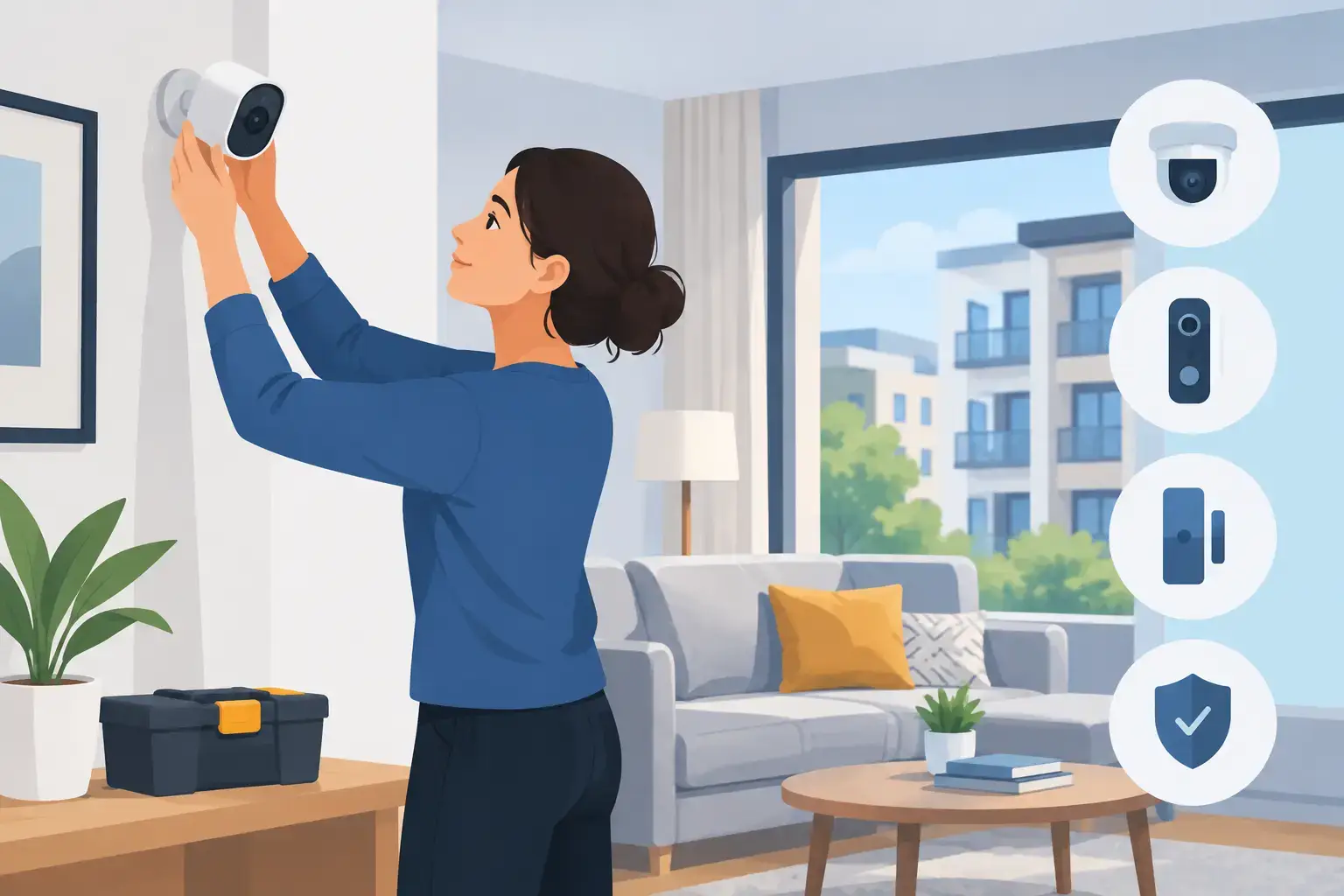
Renters can generally use portable and non-invasive security devices inside their home. This may include a plug-in camera, a portable alarm, a Wi-Fi video doorbell that does not require drilling, or smart lighting connected through a power point. These options are often simple to remove at the end of a tenancy and are less likely to affect the building.
Once an installation involves drilling into walls, mounting cameras outside, running new cabling, changing locks, fitting an alarm panel or altering electrical wiring, landlord approval should be sought before work begins. These changes can be considered alterations to the property, even where they are intended to improve security.
Check your tenancy agreement first, then put your request in writing. Explain what equipment you want installed, where it will be located, how it will be powered and whether it can be removed without damage. Clear information makes it easier for a landlord or property manager to assess the request fairly.
Approval is particularly important in apartments, townhouses and strata complexes. External cameras, intercoms and door hardware may affect common property or be subject to strata by-laws. A device that appears to cover only your entry can still capture a shared corridor, driveway or neighbour’s doorway.
Choose security that matches the lease
The right system is not always the biggest system. A short-term lease may call for portable equipment, while a long-term tenancy can justify a professionally installed setup with the owner’s consent. The best choice balances deterrence, reliability, privacy and the ability to leave the property in good condition.
Portable systems for flexible protection
Wireless indoor cameras, plug-in alarms and app-controlled sensors are often practical for renters. They can monitor entry points, send alerts to your mobile and provide a visible deterrent without permanent changes to doors or walls.
However, wireless does not automatically mean maintenance-free. Cameras still need stable Wi-Fi coverage, power access and sensible placement. Battery-operated devices require regular charging, and a camera placed too high, too low or directly into Perth’s harsh afternoon sun may deliver poor footage when you need it most.
A portable system also relies on the home internet connection. If the router is switched off, power fails or Wi-Fi drops out, remote access may be limited. Consider what the device records locally, what notifications it provides and whether it has a backup power option before relying on it as your only security measure.
Approved installations for long-term tenants
If you intend to remain in the property for some time, a landlord may agree to a more permanent alarm or CCTV system. Professionally installed equipment can offer better camera coverage, more dependable power arrangements and a cleaner finish than a do-it-yourself installation.
This is especially relevant where the rental has multiple external doors, a detached garage, a side access path or valuable equipment stored on site. A tailored alarm can protect key entry points, while carefully positioned CCTV can help verify what happened around the property.
Before proceeding, agree in writing who owns the equipment and what happens when the tenancy ends. You may take the system with you and make good any affected areas, or the owner may choose to retain it as an improvement to the property. Clarifying this upfront prevents an awkward conversation during the final property inspection.
Security cameras: protect your home without intruding on others
Cameras can be highly effective, but they need to be used responsibly. Aim them at areas you are entitled to monitor, such as your front door, private courtyard, garage or allocated parking bay. Avoid deliberately filming a neighbour’s private yard, windows or living areas.
Audio recording deserves extra care. Recording conversations can raise privacy and surveillance issues that do not apply in the same way to video alone. If your system has a microphone, understand how it works and seek appropriate advice before using audio recording around shared spaces or visitors.
In a unit complex, do not install cameras in common areas without the necessary approvals. Shared foyers, car parks and passageways often fall outside a tenant’s control, even if they are close to the front door. A professional installer can help identify a camera position that improves visibility without creating unnecessary privacy concerns.
Visible cameras should be mounted securely and high enough to reduce tampering, but not so high that faces cannot be identified. Good lighting matters as much as camera resolution. Motion-activated lights near an entrance, combined with a properly positioned camera, are often more useful than a camera alone in a dark side passage.
Do not alter locks or access without consent
Many renters want to change locks after moving in, particularly if they are unsure who may have old keys. This is understandable, but locks, deadbolts, access cards and intercoms form part of the property’s access system. Changes should be discussed with the owner or property manager first.
The same applies to smart locks. They can offer useful features, such as temporary codes for trusted visitors or a record of when a door is opened, but they must suit the existing door, fire safety requirements and building rules. Poorly fitted hardware can damage the door or compromise its operation.
If a lock is changed with approval, ensure there is a clear arrangement for keys, emergency access and restoration at the end of the lease. For strata properties, access arrangements may also affect building management and shared entry systems.
Ask the right questions before buying equipment
A little planning can prevent wasted money and an unsuitable installation. Before selecting a system, consider whether it can be moved to your next home, whether it will operate during an internet or power outage, and whether it needs a subscription for recordings or alerts.
You should also consider the property’s layout. A camera covering the front entrance may be more valuable than several cameras placed without a clear purpose. For an alarm, start with the doors and windows that provide the easiest access. In rentals with pets, choose sensors that can be configured to reduce false alarms caused by movement indoors.
If you receive approval for a wired system, ask for a clear scope of work. It should cover equipment locations, cable routes, electrical requirements, testing, user training and any repairs required if the system is removed later. Quality workmanship is not simply about a neat installation – it is about ensuring the system works reliably when it is needed.
A practical approach for Perth renters
Start by identifying the risks that concern you most. It may be an exposed front door, a laneway behind the property, tools in a garage or simply wanting to check that children have arrived home safely. Then select the least invasive solution that addresses that risk.
For a basic setup, a portable alarm, well-placed indoor camera and better exterior lighting may be enough. For a longer tenancy or a property with more complex access points, request approval for a tailored alarm or CCTV installation. A licensed, police-cleared security professional can assess the site, explain the trade-offs and install equipment that is straightforward to use and maintain.
Securitec Security has protected thousands of Perth properties over 30 years, with systems designed around how people actually use their homes and premises. Whether you are renting for six months or several years, security should give you confidence without leaving you with avoidable damage, privacy concerns or lease complications.
The most effective rental security is rarely the most complicated. It is the system you are permitted to use, understand every day and can rely on when your home is empty.