Commercial CCTV Installation for Perth Sites
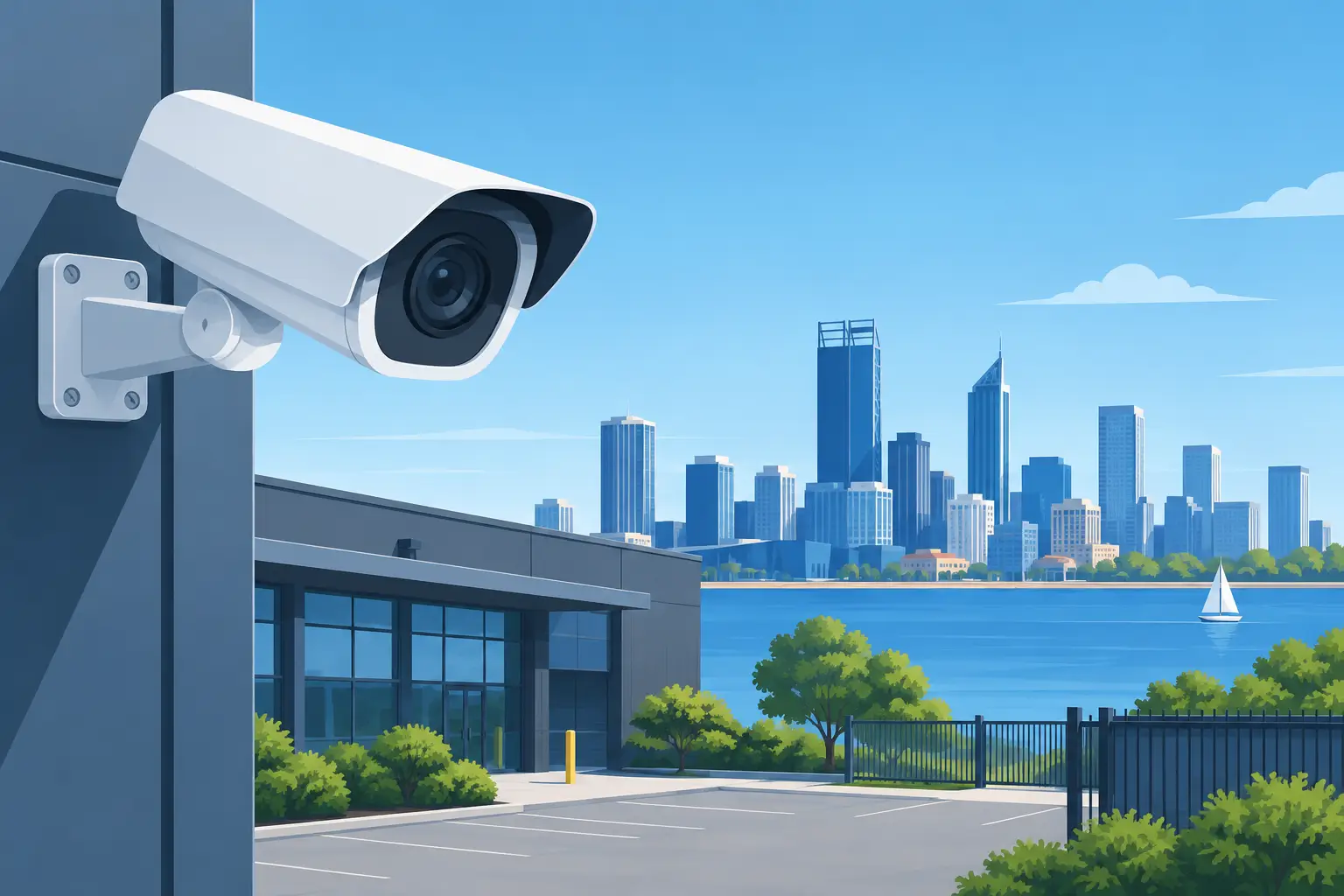
A missing delivery, damaged gate or after-hours break-in becomes much harder to resolve when the camera footage is dark, poorly positioned or unavailable. A properly planned commercial CCTV installation gives Perth business owners and site managers clear visibility of the areas that matter, with footage that can actually support an investigation when it is needed.
The difference is not simply the number of cameras on a wall. It is the quality of the design, the suitability of the equipment, the way it is installed and whether the system is maintained after handover. For a small shop, that may mean clear coverage of the till, entry and stockroom. For an industrial yard or multi-site operator, it can mean a coordinated system covering gates, loading zones, perimeter access and critical work areas.
Commercial CCTV Installation Starts With the Site
Cameras should be selected after the site has been assessed, not before. A camera package that works for a compact office may leave blind spots around a warehouse, struggle with glare at a roller door or provide insufficient detail to identify a person at a vehicle entrance.
A professional site assessment considers how people, vehicles and goods move through the premises. Entry points, public-facing areas, staff-only zones, cash handling locations, loading bays, car parks and perimeter boundaries all present different risks. The aim is to match camera placement and image quality to the decision you may need to make later: who entered, where they went, what was removed, or whether a safety procedure was followed.
Define What the Footage Needs to Prove
Wide-angle cameras are useful for observing activity across a large area, but a broad view is not always enough to identify a face, read a number plate or see a transaction clearly. Those tasks often require a dedicated camera positioned at the right height, angle and distance.
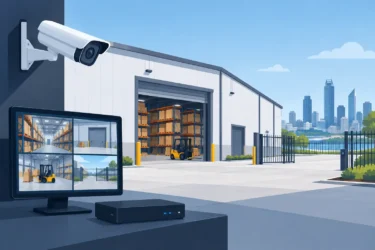
This is where tailored design matters. A reception camera may need to capture faces without being affected by the glass doors behind visitors. A warehouse camera may need to show movement between racking while avoiding obstruction from forklifts or stored stock. At a car park entrance, lighting, vehicle speed and the direction of travel all influence whether number plates can be captured reliably.
A clear brief also prevents spending on cameras that produce footage with little practical value. The right question is not, “How many cameras do we need?” It is, “What must we be able to see, identify and review?”
Design for Perth Conditions and Daily Operations
Perth sites can present challenging conditions for video surveillance. Strong afternoon sun, reflected light from concrete, dust around industrial facilities and darker winter mornings can all affect image quality. Indoor conditions matter too, particularly in workshops, cool rooms, retail spaces and areas with changing light levels.
Camera selection should account for these conditions. Low-light performance may be essential for an after-hours yard. Cameras with suitable weather protection are required outdoors. In some locations, varifocal lenses or specialised views are a better fit than a fixed, one-size-fits-all camera.
Placement also needs to support the way the business operates. Cameras should not obstruct emergency signage, vehicle movements or access to equipment. Cabling should be protected from damage and installed neatly, rather than left exposed where it can be cut, snagged or become an eyesore. A well-installed system should feel like part of the building, not an afterthought.
Storage, Remote Viewing and Network Capacity
Footage is only useful if it is available when required. Storage capacity should be based on the number of cameras, their resolution, recording settings and how long your business needs to retain footage. Higher resolution and continuous recording can provide greater detail, but they also use more storage and network bandwidth.
There is no single retention period that suits every business. A small premises may only need enough footage to investigate recent incidents, while a site with higher-value stock, multiple shifts or longer reporting cycles may require more. The design should make this trade-off clear before installation.
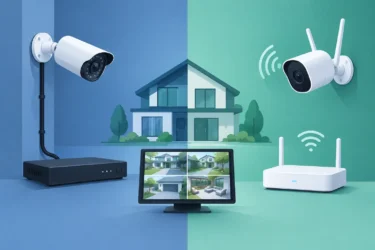
Remote viewing is also valuable for owners and authorised managers, particularly across multiple locations. However, it should be configured with security in mind. Strong passwords, controlled user access, secure network settings and regular software updates help reduce the risk of unauthorised access to the system.
Commercial CCTV Installation Is More Than Mounting Cameras
The installation stage determines whether a good design delivers as intended. Camera positions need to be tested from the final viewing angle, not estimated from the ground. A small change in height or direction can affect whether a face is visible, whether a doorway is covered, or whether glare wipes out the image at a key time of day.
Professional installers also consider cable pathways, power requirements, network connections, recorder location and future access for servicing. For larger commercial sites, this may involve coordinating with builders, electricians, IT providers or facilities managers so security infrastructure is installed at the right point in the project.
Once equipment is in place, each camera should be commissioned and checked in realistic conditions. This includes confirming live viewing, playback, timestamps, recording quality, night performance and remote access for approved users. Staff should also know how to find footage without needing to be technical experts.
Privacy and Staff Communication Matter
CCTV should protect people and property without creating avoidable privacy concerns. Cameras need to be directed at legitimate business areas rather than neighbouring properties or private spaces. Audio recording requires additional care, and businesses should understand the rules that apply to their use case.
Clear signage and sensible internal communication can help staff and visitors understand that surveillance is in operation. For employers, transparency supports trust and reduces confusion about why cameras have been installed. The purpose should be safety, asset protection and operational oversight, not unnecessary monitoring.
Integrating CCTV With Other Security Systems
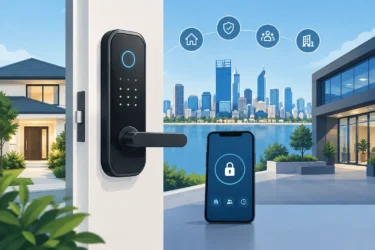
A camera system becomes more useful when it works alongside other security measures. CCTV can verify an alarm activation, allowing a responsible person or monitoring provider to assess what is happening before responding. Access control events can be matched with video footage to confirm who entered a restricted area and when.
For a single premises, integration may be straightforward: an alarm, a few cameras and controlled access to a stockroom. For multi-site organisations, centralised viewing and consistent user permissions can reduce the burden on managers while maintaining visibility across locations.
Integration should be guided by the site’s actual risks. Not every business needs every available feature. A tailored solution avoids unnecessary complexity while leaving room for expansion as the business changes.
Maintenance Keeps Footage Dependable
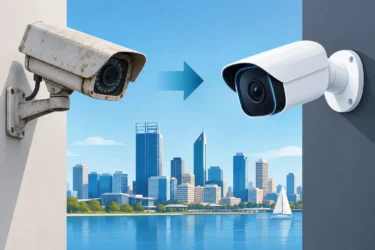
Security systems are often relied on most after they have been ignored for too long. A camera may still appear to be operating while its lens is dirty, its view is blocked by new signage, its recording has failed or its time settings are incorrect. These faults may only become obvious after an incident.
Regular servicing helps identify issues before they compromise the system. This can include cleaning camera housings and lenses, checking mounts and cabling, testing recording and playback, reviewing storage health, updating firmware where appropriate and confirming remote access remains secure.
Changes to the premises should also trigger a review. New racking, an extended car park, changed counter layout or relocated gate can create blind spots in a system that was previously well designed. Ongoing support is particularly valuable for commercial sites where security needs evolve over time.
Choosing a Commercial CCTV Provider
The lowest-priced quote is not always the lowest-cost outcome. A system that is poorly designed, difficult to use or unsupported after installation can create a false sense of security and lead to expensive upgrades later.
Look for a provider that asks practical questions about your premises, explains the options in clear language and can support the system beyond installation. Licensing, police clearances, workmanship, product suitability and access to repairs all matter. Experience with commercial and industrial sites is especially useful where network infrastructure, access control or multi-location requirements are involved.
Securitec Security brings more than 30 years of local experience to the planning, installation and maintenance of security systems across Perth. The focus is on practical, tailored protection that remains easy for your team to use and dependable for the long term.
The best time to review camera coverage is before an incident exposes a gap. Start with the areas, assets and decisions that matter most to your business, then build a system that gives you clear evidence and greater confidence every day.