Best Security Systems for Warehouses in Perth
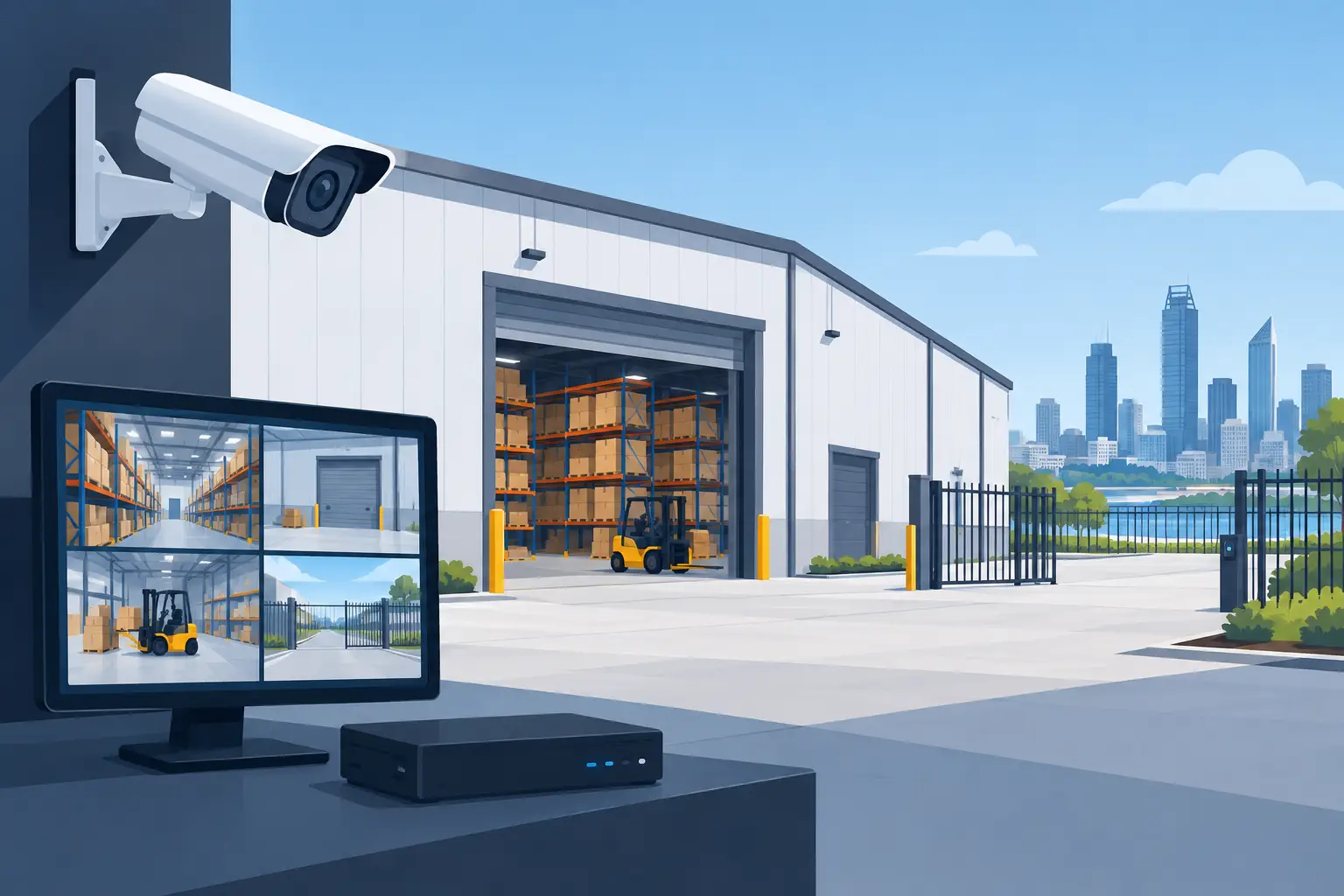
A warehouse can look secure at 5 pm and become highly exposed by midnight. High-value stock, loading docks, isolated yard areas, contractor traffic and multiple access points all create opportunities for theft, damage and unauthorised entry. Choosing the best security systems for warehouses is not about fitting the most cameras or the loudest alarm. It is about designing layers of protection around how your site actually operates.
For Perth warehouse operators, that means considering more than the building itself. The right solution needs to account for perimeter fencing, roller doors, staff entry, vehicle movements, after-hours deliveries and the practical realities of managing a busy industrial site.
What makes the best security systems for warehouses?
The best security systems for warehouses combine visible deterrence, reliable detection, clear evidence and controlled access. Each element covers a different risk. CCTV can help identify suspicious behaviour and provide footage after an incident, while an alarm system can alert a response team when a protected area is breached. Access control limits who can enter sensitive zones, and intercoms allow staff to verify visitors before opening a gate or door.
No single product is enough for every warehouse. A small storage facility with one roller door may need a straightforward alarm, a few carefully positioned cameras and controlled staff access. A larger distribution centre may require monitored CCTV across loading bays, fenced perimeters and internal aisles, together with access credentials for employees, contractors and delivery drivers.
The key is integration. When cameras, alarms and access control are planned as one system, site managers have a clearer picture of what happened, where it happened and who had permission to be there.
Start with the risks around your warehouse
A professional site assessment should begin with the areas most likely to be targeted. These commonly include the perimeter, entry gates, loading docks, roller doors, roof access points, plant rooms, stock cages and offices containing keys, records or IT equipment.
Perimeter security deserves particular attention. An intruder who is detected at the fence line gives the business more time to respond than one who reaches a roller door unnoticed. Cameras covering vehicle gates and pedestrian entrances can capture faces, registration plates and movements, while suitable lighting improves image quality after dark. In exposed industrial areas, external devices must also be selected and positioned to reduce false alarms caused by weather, wildlife or moving vegetation.
Inside the building, the risk often shifts from forced entry to unauthorised access. Not every staff member needs access to every stock area, server room or administration office. Separating these zones helps protect sensitive assets without making daily work difficult.
CCTV that delivers usable warehouse footage
Warehouse CCTV should be designed for identification, not simply coverage. A camera mounted high in a corner may provide a broad overview, but it may not capture a face clearly enough to identify a person at a doorway or a vehicle plate at a gate. Camera position, lens selection, lighting and recording quality all matter.
A useful warehouse CCTV design usually includes general overview cameras, targeted cameras at entrances and exits, and coverage of high-risk zones such as dispatch areas or secure cages. Loading bays need careful planning because changing light, open roller doors and vehicle headlights can affect footage. Cameras with appropriate low-light performance and wide dynamic range can help retain detail in these conditions.
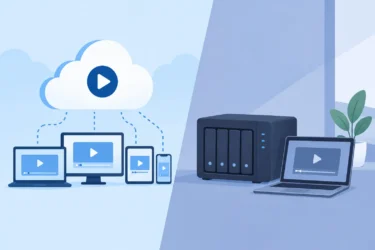
Remote viewing is valuable for owners and managers, particularly across multiple sites, but it should be set up securely. Authorised users should have individual logins rather than shared passwords, and access should be reviewed when staff leave or change roles. Remote access is a management tool, not a replacement for proper monitoring, maintenance or an on-site response process.
Footage retention is another practical decision. The right storage period depends on the business, the number of cameras, recording quality and any operational or insurance requirements. More retention requires more storage, so the design should balance evidence needs with budget rather than applying the same recording period everywhere.
Intrusion alarms for after-hours protection
An intrusion alarm provides an active layer of protection when the warehouse is closed or when restricted areas are unoccupied. Door contacts can detect opening doors and roller shutters, while motion detectors can protect internal spaces. Glass-break detection, vibration sensors and external detection may also suit particular sites, but the right choice depends on the building construction and the risk being managed.
False alarms are disruptive and can erode confidence in a system. Good design helps prevent them. Devices need to be placed away from heat sources, moving machinery, open ventilation paths and areas where animals may trigger detection. Staff also need a simple arming and disarming process, especially where shifts begin early or finish late.
Monitored alarms can provide an added level of response by sending events to a control room for action according to an agreed response plan. This is particularly useful for warehouses that are vacant overnight or located away from regular traffic. However, monitoring works best when the alarm system is serviced, contact details are current and site response instructions are clear.
Access control improves accountability
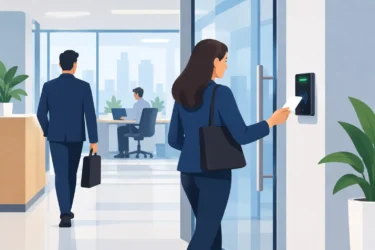
Traditional keys are easy to copy, hard to track and expensive to replace when they are lost. Access control replaces this uncertainty with an auditable system. Staff can use cards, fobs, mobile credentials or other approved methods to enter authorised doors, gates and internal zones.
For warehouse operations, access control can be programmed around roles and schedules. Office staff might have weekday access to the front entry, while warehouse supervisors have access to stock areas and plant rooms. Contractors can be issued temporary permissions that expire automatically, reducing the chance of an old credential being used later.
Access events can also assist with incident investigations. If a stock discrepancy is discovered, authorised entry records can help establish who accessed the relevant area and when. That does not remove the need for sound stock controls, but it strengthens accountability.
At vehicle gates and reception points, intercom systems add another useful layer. A driver or visitor can request access, and staff can verify their identity before allowing entry. Video intercoms are especially useful where the person approving access cannot physically see the gate.
Design for operations, not just security
A security system that slows every delivery, frustrates staff or produces constant alerts will eventually be bypassed or ignored. The best warehouse security design supports the way the site runs while applying sensible controls.
Consider shift changes, driver arrival times, emergency exits, forklift routes and areas where staff need hands-free movement. Ask who opens the site first, who locks it last, and what happens if a manager is absent. These operational details often reveal weaknesses that are not obvious on a floor plan.
It is also worth planning for growth. Adding cameras, doors or another warehouse later is easier when the original system has capacity and the cabling, network and recording equipment were selected with expansion in mind. This does not mean paying for unnecessary equipment now. It means avoiding a design that reaches its limit as soon as the business changes.
Installation quality and ongoing maintenance matter
Even well-selected security technology can underperform if it is poorly installed or never maintained. Camera views can be obstructed by new racking, dirt or changed lighting. Alarm sensors can need adjustment after alterations to the building. Access credentials need to be removed when staff leave.
Regular servicing verifies that cameras record properly, alarm communications work, backup power is healthy and access doors latch and release as intended. It is also a chance to review whether the system still matches the warehouse layout and risk profile.
For businesses that need tailored warehouse protection in Perth, Securitec Security can design, install and maintain integrated CCTV, intrusion alarm, access control and intercom systems. A licensed, professionally installed system provides more than equipment on a wall. It provides a practical security framework that can be relied on day after day.
A better way to choose your system
Before requesting quotes, prepare a clear picture of the site: the hours of operation, number of staff, valuable stock areas, frequent visitors, existing security equipment and any past incidents. This gives a security provider the context needed to recommend appropriate technology rather than a generic package.
Be cautious of proposals that focus only on camera quantity or headline price. Ask what each device is intended to protect, how footage will be stored, how alarms will be managed and what support is available after installation. The most cost-effective system is one that works reliably, is straightforward for staff to use and can adapt as the warehouse changes.
A warehouse security system earns its value long before an incident occurs. When access is controlled, vulnerable areas are visible and alerts are dependable, managers can focus on stock, staff and operations with greater confidence.