How CCTV Deters Shoplifting in Perth Stores
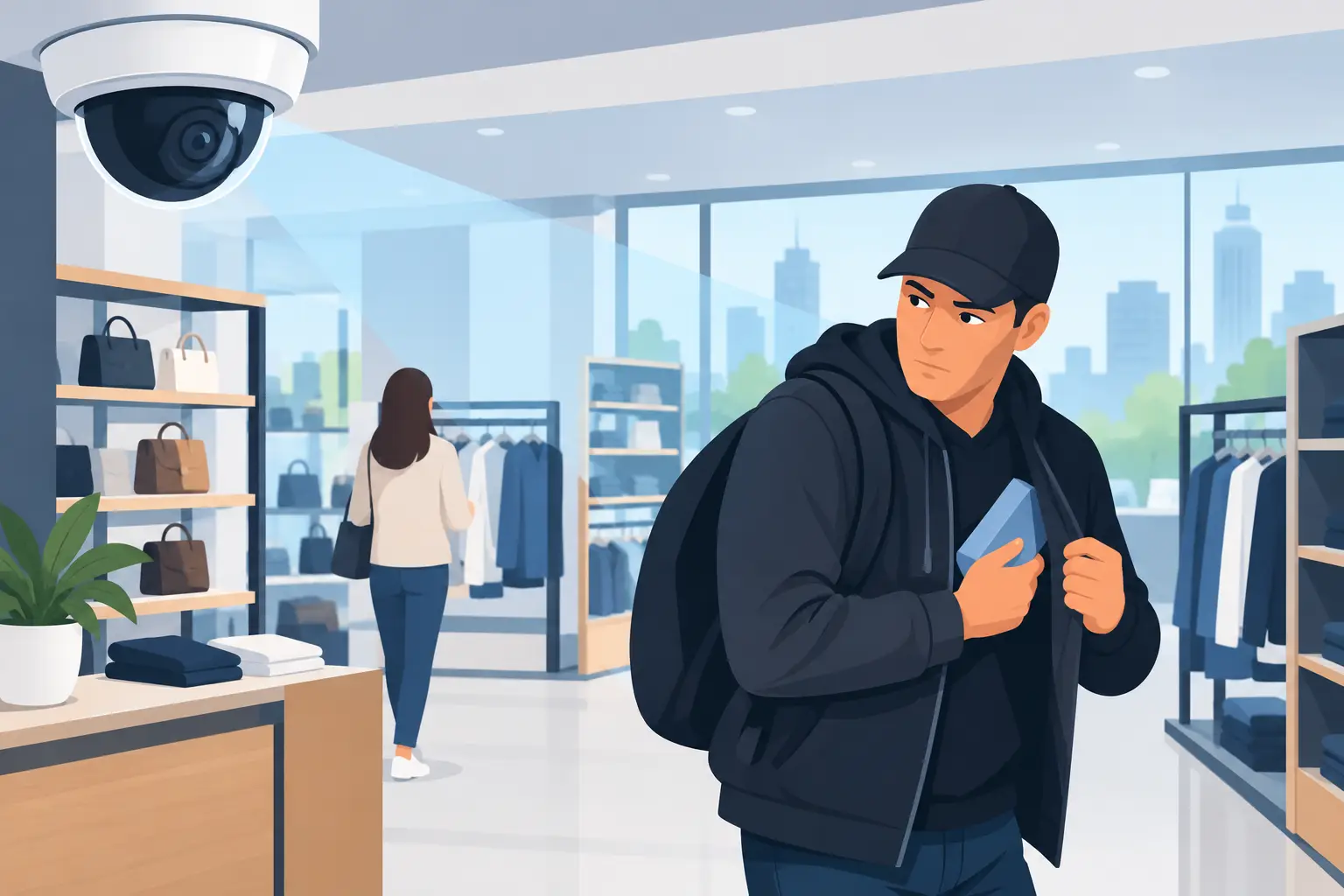
A retailer may never see the shoplifter who decides to leave empty-handed. That is often the most valuable outcome of a well-planned system. Understanding how CCTV deters shoplifting helps Perth business owners look beyond recording footage and use surveillance as an active part of loss prevention.
For a small boutique, pharmacy, liquor store or large-format retailer, shoplifting can affect more than stock figures. It consumes staff time, creates uncomfortable confrontations and can make customers and team members feel less safe. CCTV cannot remove every risk, but visible, reliable cameras change the calculation for someone considering theft.
How CCTV deters shoplifting before it happens
The strongest deterrent is certainty. A person who believes their actions are likely to be seen, recorded and linked to a clear image is less likely to take the chance. Cameras create that sense of accountability when they are visible, professionally positioned and supported by clear signage.
A camera tucked high in a corner with a poor view does little to influence behaviour. By contrast, cameras covering entrances, point-of-sale areas, high-value displays and likely exit routes make surveillance obvious without making a shop feel hostile. Potential offenders can see that the premises are monitored and that there is little opportunity to move unseen.
The effect is not limited to external shoplifting. Staff theft, unauthorised refunds, stock movement and after-hours access can also be discouraged when employees understand that key work areas are monitored fairly and consistently. CCTV should never replace good management and clear workplace procedures, but it provides an independent record when questions arise.
Visibility needs to be deliberate
A common mistake is assuming more cameras automatically mean better security. Coverage matters more than camera count. A single well-placed camera at an entrance can capture a useful face image and establish who entered the store. Additional cameras may protect blind aisles, display cabinets, loading areas and rear doors.
Visible cameras are generally better at discouraging opportunistic theft. Discreet cameras can still have a role where overt equipment would be unsuitable or where a particular area needs closer investigation, but they are not a substitute for a clear visible deterrent. The right balance depends on the store layout, stock profile and the behaviour you are trying to prevent.
CCTV makes suspicious behaviour easier to manage
Shoplifting is rarely as simple as someone putting an item in a bag and walking out. Staff may notice repeated visits to a display, distraction techniques, someone lingering near a blind spot, or an attempt to bypass the counter. Live views from a correctly designed CCTV system give authorised staff or managers better awareness of what is happening across the premises.
That does not mean staff should confront every person who appears suspicious. Safety comes first. A trained team can use CCTV information to offer customer service, remain present in a vulnerable aisle, notify a manager or observe from a safe distance. Often, a polite approach such as asking whether someone needs assistance is enough to interrupt an attempted theft without escalation.
For businesses with several locations, remote viewing can help a manager check activity at a site without being physically present. It is particularly useful for opening and closing periods, quieter shifts and premises with a rear warehouse or multiple entry points. However, remote access needs to be secured with strong user permissions and sensible account management. Convenience should not create a new security weakness.
Clear footage supports a better response
Deterrence is strongest when people know footage is likely to be usable. Grainy video may confirm that something happened, but it may not identify a person, vehicle or item taken. Camera selection, lighting, lens choice, mounting height and recording settings all affect whether footage will assist after an incident.
At a minimum, retailers need meaningful identification coverage at entrances and exits. Point-of-sale cameras should show transactions clearly enough to investigate disputed refunds or cash-handling concerns, while cameras in aisles need a practical view of stock and customer movement. Loading docks, staff-only doors and rubbish collection areas can also be overlooked routes for stock loss.
A reliable recording system gives a business the ability to review the sequence of events, preserve relevant footage and provide it to police or insurers when required. It can also protect honest staff members from unfair allegations. In many cases, the ability to establish what actually occurred quickly is as valuable as the footage itself.
Good design accounts for real store conditions
Retail lighting can be difficult for surveillance. Bright windows, reflections from glass cabinets, changing sunlight and low light after trading hours can all reduce image quality. Cameras need to be chosen and adjusted for the conditions they will face, not simply installed where there is a convenient power point.
Storage capacity is another practical consideration. If an incident is discovered days later, footage must still be available. Retention requirements vary according to the business, risk level and internal procedures, but recording capacity should be discussed during system design rather than discovered after an event.
The system also needs routine checks. A camera with a dirty lens, an incorrect date and time, or a failed recorder may offer false confidence. Regular servicing confirms cameras are operating, images are recording and remote access remains secure. This is especially relevant for retailers that depend on CCTV evidence to support incident reports or insurance claims.
CCTV works best with practical loss-prevention measures
CCTV is a powerful layer of protection, not a complete shoplifting solution on its own. The most effective retail security plans combine surveillance with store design, staff awareness and access control.
Keep high-value or easily concealed goods within clear sightlines. Avoid creating unnecessary hiding places with tall displays, cluttered promotional stands or poorly arranged aisles. Secure stock rooms, offices and rear exits so that only authorised people can enter. A simple access-control system can also create an audit trail for staff-only doors, which strengthens accountability beyond what a camera can provide.
Staff procedures matter as well. Team members should know who can access live footage, who can export recordings and how to report an incident. They should also understand when not to intervene. No item of stock is worth an injury. A calm, consistent process protects staff, customers and the business.
For higher-risk environments, CCTV can be integrated with intrusion alarms, intercoms and monitored security responses. An alarm at a rear door, for example, becomes far more useful when a manager or monitoring operator can verify the event on camera. Integration reduces uncertainty and helps people respond appropriately rather than relying on guesswork.
Privacy and trust still matter
Retailers have legitimate reasons to use surveillance, but cameras must be deployed responsibly. Customers and staff should be informed that CCTV is operating through suitable signage, and footage should only be accessed by authorised people for legitimate business and security purposes.
Avoid placing cameras in areas where people have a reasonable expectation of privacy, such as toilets or change rooms. Audio recording raises additional privacy considerations and should not be enabled without obtaining appropriate advice. Clear internal policies, secure passwords and controlled access to recordings are essential parts of professional CCTV management.
When surveillance is transparent and proportionate, it can reassure legitimate customers rather than make them uncomfortable. Most people appreciate a well-run store that takes safety seriously, particularly where theft and antisocial behaviour can affect everyone on the premises.
Choosing a CCTV system for your retail premises
The right system starts with a site-specific assessment. Store size, trading hours, the value and type of stock, existing lighting, internet reliability, building layout and future expansion plans all influence the design. A convenience store with one counter has different requirements from a multi-site retailer with delivery bays, stockrooms and hundreds of daily visitors.
Professional installation also helps avoid the gaps that commonly undermine DIY systems: poor angles, inadequate night performance, unreliable recording and cameras positioned too high to identify faces. A tailored system should be easy for authorised staff to use while still providing the coverage and evidence quality the business needs.
With 30 years of local experience, Securitec Security can design, install and maintain CCTV solutions that suit Perth retail operations rather than forcing a one-size-fits-all package onto every site. The most useful next step is to walk through your premises with a security professional and identify where stock, people and access points are genuinely exposed.