Wired vs Wireless CCTV Systems Compared
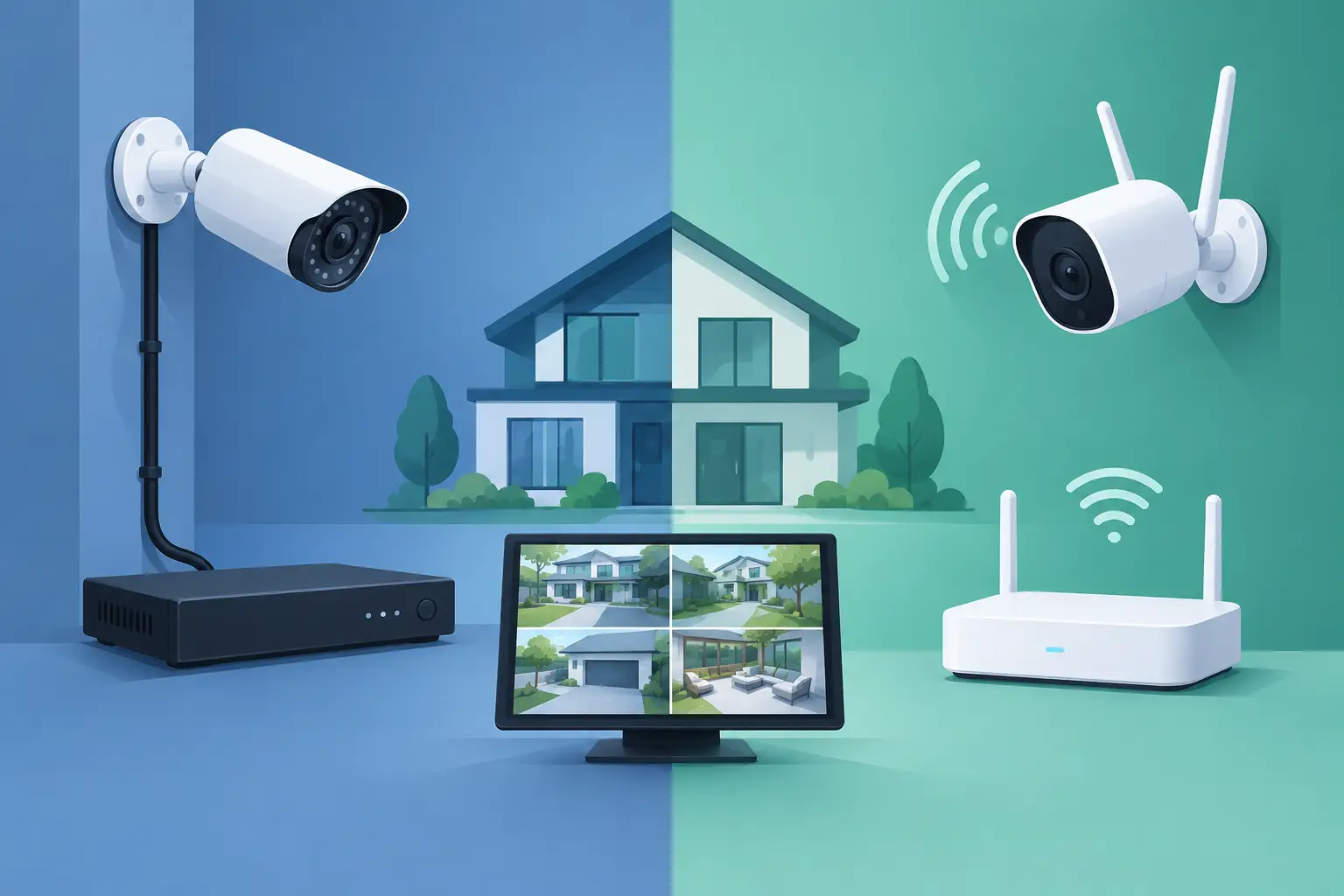
A camera that misses the delivery gate, drops offline during a busy trading period or needs constant charging is not providing much protection. When comparing wired vs wireless CCTV systems, the best option is rarely the one with the lowest upfront price or the quickest box to install. It is the system that records clearly, stays available when it matters and suits the way your property is used.
For Perth homes, a straightforward wireless setup may be entirely appropriate. For a workshop, warehouse, retail site or multi-location operation, a professionally installed wired system often delivers the consistency and control required for day-to-day security management. The right answer depends on the site, the risks and how much the system may need to grow over time.
Wired vs Wireless CCTV Systems: The Core Difference
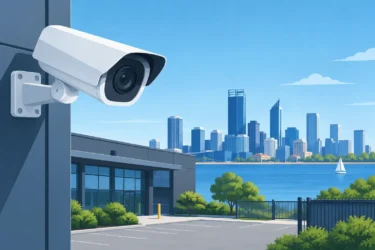
A wired CCTV system sends video from each camera to a network video recorder, usually through dedicated network cabling. Modern systems commonly use Power over Ethernet, or PoE, which supplies power and data through the same cable. That means a camera can be positioned where it provides the best view without relying on a nearby power point or the strength of a Wi-Fi signal.
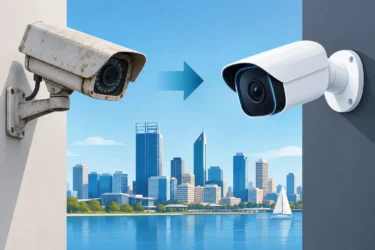
A wireless CCTV camera sends its footage across a Wi-Fi network or, in some cases, a mobile network. It still needs power unless it is battery-operated or solar-assisted. This is a common point of confusion: wireless refers to the video connection, not necessarily a completely cable-free camera.
Both approaches can provide high-quality footage, remote viewing and motion alerts. The practical difference is how reliably those features perform on your particular property.
Reliability Is Usually the Deciding Factor
Wired cameras are generally the stronger choice where uninterrupted recording is critical. A physical cable connection is not affected by congested Wi-Fi, changes to a router, weak coverage at the far end of a site or interference from surrounding networks. This is particularly valuable for cameras monitoring entry points, cash-handling areas, loading bays, car parks and perimeter gates.
A PoE wired system can also be supported by an uninterruptible power supply. If mains power fails, the recorder, network equipment and cameras can continue operating for an appropriate period, depending on the system design. For businesses that need dependable evidence after an incident, this level of resilience matters.
Wireless cameras can be reliable in the right setting. A compact home with good Wi-Fi coverage, a stable internet connection and only a few cameras may experience no meaningful issues. They are also useful where running new cable would be unusually difficult, such as a detached shed, a heritage feature or a short-term installation.
However, wireless performance should be assessed rather than assumed. Brick walls, metal cladding, roller doors, machinery, storage racking and distance can all reduce signal quality. A camera may appear to work during installation but struggle later when bandwidth is under pressure or the environment changes.
Installation: Faster Is Not Always Better Value
Wireless cameras are often chosen because installation can be quicker and less disruptive. For a homeowner who wants to watch a front door, side access or a small backyard, this can be a sensible route. There may be less drilling, less cabling and lower initial labour costs.
That convenience has limits. Battery cameras need recharging, and their recording settings may be restricted to preserve battery life. Solar panels can reduce maintenance, but they depend on suitable placement and adequate sunlight. A camera installed high under an eave may be difficult to access when it needs attention.
Wired systems require more planning at the start. Cable routes need to be considered carefully, particularly in finished homes, commercial tenancies and industrial sites. A professional installer will identify the best camera positions, protect cabling, allow for recorder location and make sure the coverage is useful rather than simply extensive.
The upfront work can produce better long-term value. A well-designed wired system is easier to service, less dependent on consumer Wi-Fi equipment and more capable of supporting additional cameras later. For a business that intends to stay in its premises, the installation is an investment in reliable infrastructure.
Image Quality, Recording and Evidence
Camera resolution is only one part of useful CCTV footage. A high-resolution camera still needs the right field of view, lighting, recording settings and stable connection. A camera that captures a broad driveway may be excellent for observing activity but not positioned closely enough to identify a face or number plate.
Wired CCTV systems commonly record continuously to an on-site NVR. Continuous recording can provide the full context of an event: where a person came from, how long they remained on site and what happened before an alarm or motion alert was triggered. This is often important for commercial investigations and incident review.
Many wireless systems use cloud recording, an SD card or a combination of both. These options can be convenient, especially for small residential applications, but they need careful consideration. Cloud services may involve ongoing fees, while SD cards have limited storage and can be removed or damaged. Wireless bandwidth may also affect video quality, particularly when several cameras are transmitting at once.
For properties needing clear, retrievable evidence, storage retention should be planned around the number of cameras, recording quality, operating hours and the expected review period. Thirty days of footage, for example, requires a different design from a system intended to retain footage for only a few days.
Which Option Suits Homes?
For a home, the decision often comes down to coverage, convenience and future plans. Wireless cameras can suit renters, smaller properties and households that want a simple way to check activity from a mobile. They work best when the camera locations have reliable Wi-Fi and access for maintenance is straightforward.
A wired system is often more suitable for larger homes, properties with long driveways, multiple access points, detached garages or areas where Wi-Fi is weak. It can provide consistent coverage of entry doors, side gates, pool areas and vehicles without asking homeowners to monitor battery levels or troubleshoot connection problems.
Privacy also deserves attention. Cameras should be aimed at your own property and managed with secure passwords, current firmware and sensible user access. Professional configuration helps ensure remote viewing is convenient without leaving the system unnecessarily exposed.
Why Commercial and Industrial Sites Often Choose Wired CCTV
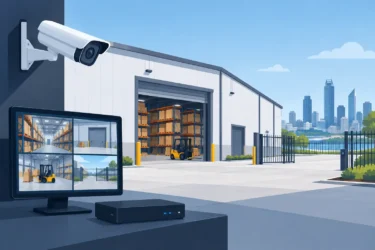
Commercial and industrial environments place greater demands on surveillance. A business may need cameras across a reception area, shop floor, warehouse, external yard, staff entry, stock room and car park. These areas often include obstacles that make wireless coverage inconsistent, as well as activity levels that make continuous recording more appropriate.
Wired systems are well suited to these requirements because they can scale in a structured way. Cameras can be added to the network, storage can be sized for retention needs, and the CCTV platform can be integrated with access control, alarms or intercoms where appropriate. Site managers can view live footage, review incidents and manage user permissions from one considered security environment.
Wireless cameras still have a role at commercial sites. They can provide coverage for a temporary work area, a remote point where trenching is impractical or a specific location needing a rapid solution. The key is to treat them as part of a site-wide design, not as a substitute for planning.
Questions to Ask Before You Decide
Before selecting equipment, consider what must be monitored, when the cameras need to record and what happens if power or internet access is interrupted. Think about whether footage needs to identify people and vehicles, not merely show movement. Also consider who will maintain the system and whether the property may be extended, renovated or operated across additional sites.
It is worth looking beyond the camera itself. The quality of the recorder, network, storage, cabling, mounting, lighting and installation workmanship all affect the final result. A camera positioned correctly and configured for its environment will usually deliver more value than a higher-specification model installed as an afterthought.
For Perth properties, local conditions should be part of the conversation as well. Outdoor equipment needs to cope with heat, dust and weather exposure, while camera placement should account for strong sunlight and changing shadows. These details influence whether footage remains clear at the times it is most likely to be needed.
A Tailored System Is the Safer Choice
There is no universal winner between wired and wireless CCTV. Wireless can be practical, flexible and cost-effective for the right residential or limited-coverage application. Wired CCTV is generally the preferred foundation where reliability, continuous recording, integration and expansion are priorities.
With 30 years of experience, Securitec Security approaches CCTV design from the site outward: what needs protecting, how the property operates and what level of reliability the customer expects. The most useful security system is not the one with the most features. It is the one that continues to provide clear, accessible information when a family, business owner or site manager needs it most.