CCTV Installation Mistakes Perth Businesses Must Avoid

A poorly planned CCTV system wastes money and leaves your property exposed. Many Perth businesses discover the problems only after an incident, when the footage is unusable. Securitec Security sees the same avoidable errors repeatedly, and this guide explains how to prevent them.
Why do CCTV installations fail?
Most failures trace back to planning, not equipment. Owners buy cameras first and think about coverage later. A system without a clear purpose produces footage that looks busy but proves nothing.
Define your goals before you install anything. Decide whether you need to deter theft, identify people, monitor staff areas or protect stock.
What are the most common CCTV installation mistakes?
Perth businesses repeat these errors more than any others:
- Buying on price alone: Low-cost kits often use weak sensors and poor night performance.
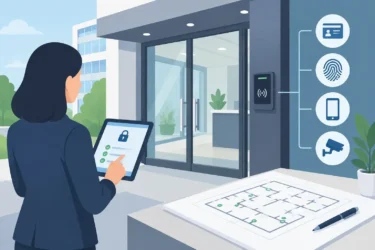
- Skipping a site assessment: Without a walkthrough, installers miss blind spots and lighting problems.
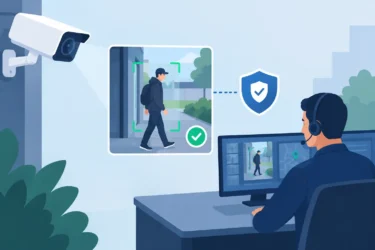
- Poor camera placement: Cameras mounted too high or aimed into glare capture useless images.
- Ignoring lighting: Cameras cannot record what the light does not reveal.
- Weak cabling and power: Cheap cable and unprotected connections cause dropouts.
- Inadequate storage: Short retention means footage overwrites before you review it.
- Default passwords: Unchanged credentials let outsiders access your system.
- No maintenance plan: Dirty lenses and failed drives go unnoticed for months.
What goes wrong with camera placement?
Placement causes more disappointment than any other factor. Installers sometimes mount cameras on high eaves to avoid tampering, but the angle then captures the tops of heads instead of faces. Others point cameras directly at a window or the afternoon sun, and glare ruins the image. Place cameras at entry points, car parks, loading areas, cash handling zones and stock rooms. Cover each location with a clear purpose.
A commercial CCTV installation in Perth must also account for strong Western Australian sun, which affects exposure for much of the day.
Why does lighting matter so much?
Every camera depends on light. Night vision helps, but infrared footage often loses colour and detail, which weakens identification. Good site lighting combined with low-light cameras produces far better results.
Check your external lighting during the site assessment. Replace failed fittings and add lighting at dark entry points before you add more cameras.
What storage and recording mistakes should you avoid?
Many businesses record at a quality that looks fine live but fills their drive in days. Others set retention so short that footage disappears before they notice a problem. Decide how long you need to keep recordings, then size your NVR (network video recorder) storage to match.
Think about how you will back up critical footage. Remote or cloud backup protects you if offenders steal or damage the recorder.
How do cyber security gaps affect CCTV?
Modern IP cameras connect to your network, so they carry the same risks as any other device. Default passwords, outdated firmware and open ports invite attacks. A compromised camera can expose your footage or give attackers a way into your network.
Change all default credentials, update firmware regularly and separate your cameras from your main business network. Ask your installer how they secure remote access.
Do privacy and signage rules matter?
Yes. Surveillance in the workplace and in public view raises legal obligations in Western Australia, and the rules differ depending on what you record and where. We do not give legal advice, so confirm your obligations with a qualified adviser or the relevant WA authority before you install cameras in staff areas or anywhere that records audio.
Place clear signage at your entrances. It supports compliance and adds to the deterrent effect.
How much does cutting corners cost you?
A cheap system that fails costs more than a good one that works. You pay for the original install, then you pay again to replace it after an incident exposes its limits. Add the losses from the incident itself, and the saving disappears.
Perth businesses that install properly the first time spend less over the life of the system. They also avoid the stress of finding out that the footage cannot identify the offender.
What should a handover and testing process include?
Never accept a system without a proper handover. Your installer should demonstrate every camera view, show you how to search and export footage, and confirm the recording schedule. Test night footage in real conditions, not only in daylight.
Ask for written documentation. It should list camera locations, administrator login arrangements, storage settings and warranty terms. Keep this record somewhere safe, and update it whenever you change the system.
How often should you review your system?
Check your cameras at least monthly. Wipe lenses, confirm every camera records and test remote access from your phone. Review a sample of recorded footage to confirm the image quality still meets your needs.
Schedule a professional service once a year. A technician realigns cameras, checks cabling, tests storage drives and applies firmware updates. Dust, insects and heat affect outdoor cameras quickly in WA conditions, and small faults turn into failures when nobody checks.
What is the quickest way to avoid these mistakes?
Book a site assessment with an experienced Perth installer before you buy anything. A walkthrough exposes lighting problems, blind spots and cabling challenges that a catalogue never shows. Use that assessment to write a clear brief and compare quotes on the same terms.
How do you choose the right installer?
Ask each installer how they plan coverage, test night footage and support the system after handover. Request a written scope that lists camera positions, resolution, storage and warranty. Avoid anyone who quotes without seeing your site.
Securitec Security assesses your Perth property first, then designs the system around your risks. Contact us for a site assessment and a clear, itemised quote.