Alarm System Design for Perth Homes and Businesses
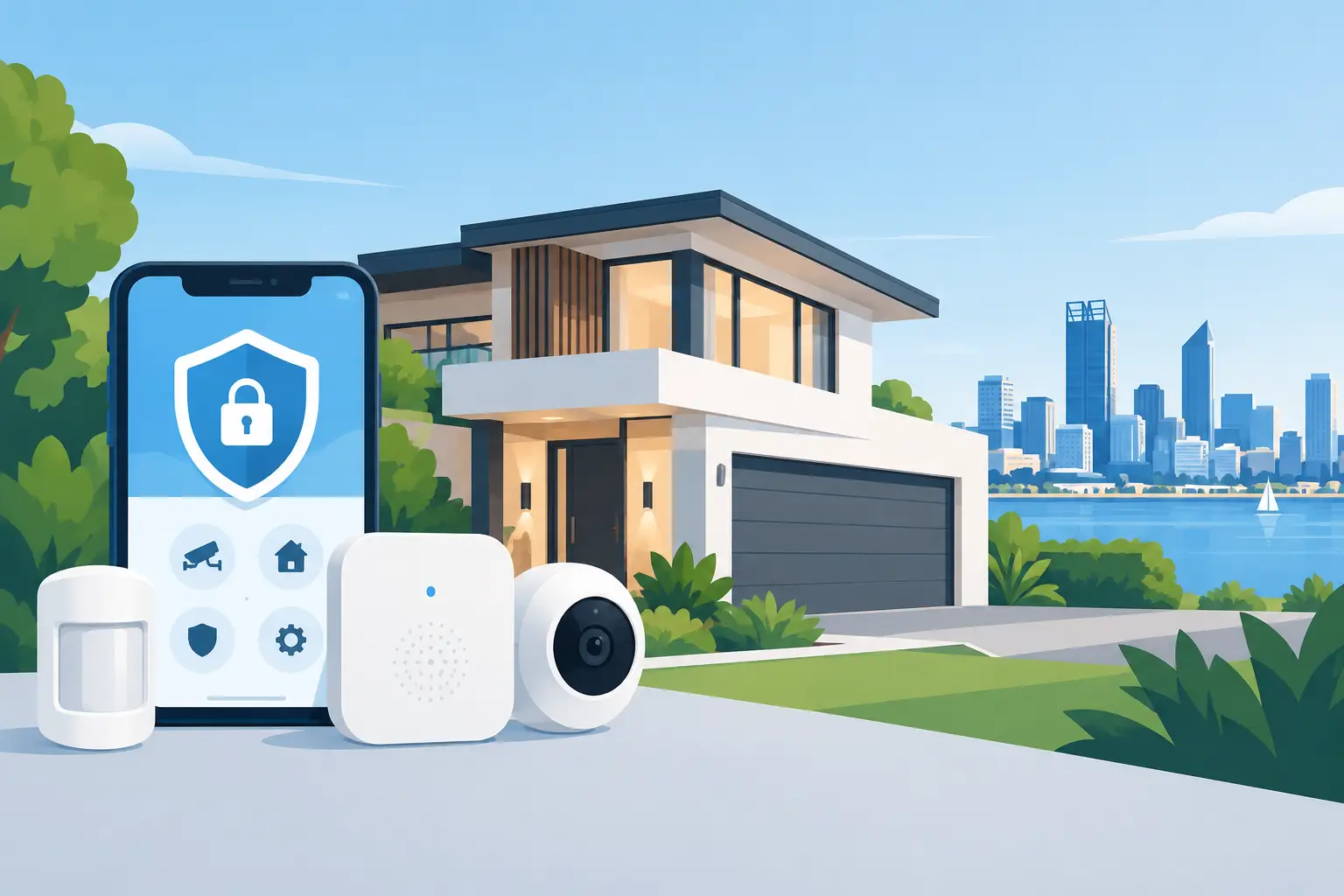
A siren is only the final response. The real protection starts much earlier: at the gate, the side access point, the roller door, the hallway leading to bedrooms, or the stockroom door that is rarely in direct view. Effective alarm system design considers how people actually use a property, where an intruder is most likely to enter and how the system can raise the right response without becoming difficult to live or work with.
For Perth households and businesses, that means more than selecting an alarm panel and a few sensors. It means designing a practical security system around the site, the people using it and the level of risk involved.
What good alarm system design looks like
A well-designed alarm system detects unauthorised entry early, communicates clearly and remains straightforward for authorised users. It should protect the areas that matter without creating unnecessary false alarms, complicated routines or gaps between devices.
The starting point is a site assessment. A professional installer looks at entry and exit points, building layout, sightlines, fencing, lighting, valuables, daily traffic and the way occupants move through the premises. A home with children and pets needs different sensor placement from a warehouse with high roller doors and several staff entry points. Likewise, a small retail shop may need after-hours intrusion detection, while a larger commercial site may need separate alarm areas for offices, workshops and storage zones.
The best result is rarely the system with the most devices. It is the one in which every device has a clear role. Doors and windows are protected where perimeter detection makes sense, motion sensors cover likely internal paths, and users can arm or disarm the relevant areas without exposing the whole site to inconvenience.
Start with the property, not the product
Off-the-shelf alarm kits can appear attractive because the initial price is clear. The limitation is that a kit cannot assess a building’s weak points or account for how the space will change over time. A poorly located sensor may miss the intended path of travel. An awkward keypad position can lead to users leaving the system off. A system designed without considering pets, air movement or operational equipment may produce repeated false alarms.
A tailored design begins by identifying the property’s security priorities. For a family home, those priorities may be protecting loved ones at night, securing doors and accessible windows, and making the system easy to operate before leaving for work. Homeowners may also want a partial arming option that protects selected areas while the family is inside.
For a commercial or industrial site, priorities often include protecting stock, tools, plant, records and restricted areas. Managers may need to know who entered a particular part of the building and when. They may also require different access and alarm permissions for office staff, contractors and senior managers. These requirements influence the alarm panel, detector types, keypad locations and whether access control or CCTV should form part of the wider solution.
Layer protection where it makes a difference
An alarm works best as part of a layered approach. Physical security such as quality locks, gates, roller shutters and secure doors can delay entry. Good exterior lighting improves visibility. CCTV can provide visual verification and evidence. Access control can remove the risks and inefficiency associated with shared keys. The alarm system then detects intrusion and triggers the required notification or response.
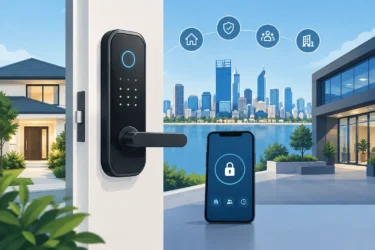
Integration should be purposeful rather than added for its own sake. A business with multiple entrances may benefit from linking access control and alarm functions so authorised staff can enter designated areas without compromising the security status of the rest of the building. A homeowner may prefer an alarm that can be controlled from a simple keypad or mobile app, with selected alerts sent when the premises are vacant.
There are trade-offs. Greater integration can provide better visibility and control, but it also requires careful programming, reliable equipment and ongoing support. A simpler standalone alarm can be the right choice for a small property with straightforward needs. The right approach depends on the risk, budget, operating routine and future plans for the site.
Perimeter and internal detection
Perimeter detection focuses on doors, windows and other likely entry points. Reed switches, glass-break detection and external detection devices can provide early warning in appropriate locations. This approach can be especially valuable where early notification is more useful than waiting until someone reaches the middle of the building.
Internal motion detection provides another layer by covering rooms, corridors and access paths. Detector selection and positioning matter. Sensors must be suited to the environment, particularly where there are pets, high ceilings, changing temperatures, open-plan areas or machinery that may affect detection. A trained technician will consider coverage patterns rather than simply placing devices at regular intervals.
Alarm communication and response
An alarm needs a dependable way to communicate an event. Depending on the system and service arrangement, this may involve notifications to nominated users, a monitoring centre or both. Communication paths should be chosen with the reality of the site in mind. If a property relies on a mobile network connection, signal strength and equipment placement need to be assessed rather than assumed.
The response plan deserves just as much attention as the hardware. Who receives an alert? Who can attend the site? Is there a process for contacting police, a security patrol or a keyholder? Businesses should document these arrangements and keep contact details current. An alarm can only support a fast response when the right people receive clear information.
Design for daily use, not just after-hours security
Security technology is most effective when people use it correctly every day. That is why keypad placement, user codes, remote controls and app access should all be considered during the design phase. A keypad hidden in an inconvenient location may seem tidier, but it can make arming the system an unnecessary chore. In a workplace, a single shared code makes it difficult to manage accountability when staff change.
Individual user credentials provide better control and make it easier to remove access promptly when an employee or contractor no longer requires entry. For sites with several areas, partitioning allows selected sections to remain armed while others are in use. This is useful for businesses with late-working office teams, separate tenancies or a warehouse that operates on different hours from the administration area.
Training is part of professional installation. Users should understand how to arm and disarm the system, what to do if an alarm activates, how to report a fault and whom to contact for support. Clear handover prevents small usability issues from becoming reasons the system is bypassed.
Allow for growth and maintenance
Alarm system design should consider what the property may look like in two or five years. A growing business may add staff, extend a warehouse or take on another location. A homeowner may renovate, install a shed or add a detached studio. Selecting an expandable system from the outset can avoid unnecessary replacement costs later.
Maintenance is equally important. Batteries, sensors, communication equipment and alarm panels need periodic testing to confirm they are operating as intended. Changes to a building can also affect coverage: new shelving may block a detector, a relocated door may create an unprotected access point, or renovations may require devices to be moved and recommissioned.
Regular servicing helps identify these issues before an incident exposes them. It also gives property owners an opportunity to review user access, update contact details and confirm that the system still reflects how the site operates.
Choosing an installer for alarm system design
The quality of installation is inseparable from the quality of the design. Look for a licensed, experienced provider that asks detailed questions before recommending equipment. They should explain why devices are being placed in particular locations, how the system will operate day to day, what support is available after installation and what maintenance is recommended.
For Perth properties, local knowledge also matters. A provider familiar with residential, commercial and industrial sites can recognise common security pressures while designing around the specific layout of your premises. Securitec Security brings more than 30 years of experience to tailored electronic security solutions, with ongoing servicing and repair available after installation.
A properly designed alarm is not meant to make a home or workplace feel complicated. It should become a dependable part of the routine: easy to use, properly maintained and ready to respond when it is needed most.