Top Residential Alarm Features for Perth Homes
A home alarm should do more than make noise after someone has entered. For Perth households, the right system helps protect the family home while you are at work, away for the weekend, or asleep at night. When comparing the top residential alarm features Perth homeowners need, focus on early detection, dependable communication and a design that suits how your household actually lives.
A larger system is not automatically a better one. A well-planned alarm for a townhouse, family home or acreage property should be straightforward to use every day, difficult to bypass and professionally maintained so it is ready when needed.
Top residential alarm features Perth households should prioritise
Detection that matches the way your home is used
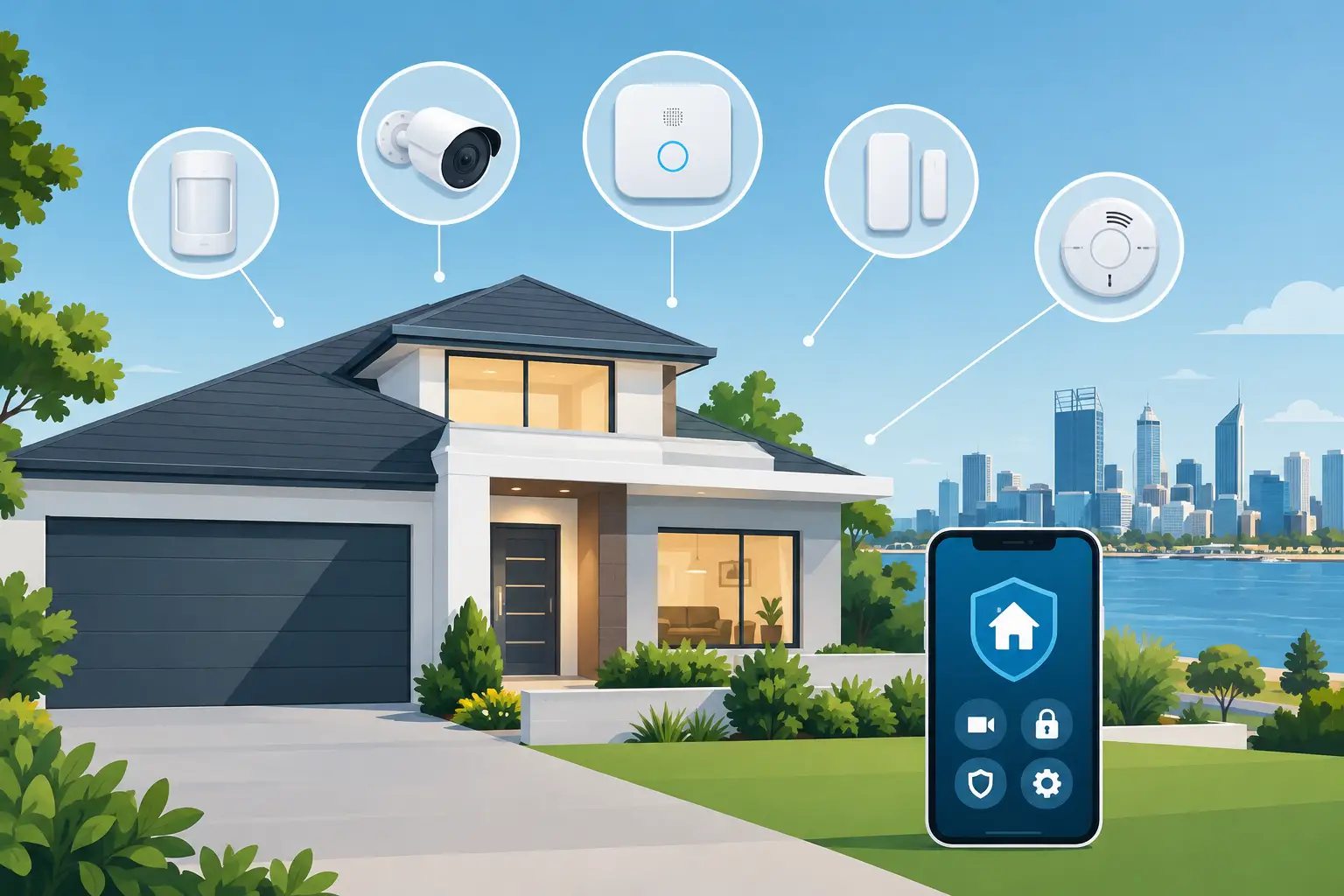
Reliable detection is the foundation of every alarm system. Motion sensors are highly effective for internal areas such as hallways, living rooms and passageways, where they can detect movement once an intruder is inside. Door and window contacts, on the other hand, can identify an attempted entry point before someone moves through the home.
For many Perth properties, combining both provides better coverage than relying on one device type alone. Contacts can be used to protect accessible doors and windows while motion detection covers key internal paths. This approach also lets you choose different arming modes. You may arm the full system when leaving the property, then use a perimeter or night mode that protects selected entry points while the family moves freely inside.
Pet-friendly sensors are worth considering where dogs or cats have access to protected rooms. They can reduce false alarms, but they are not a substitute for proper placement. A sensor positioned facing a couch, staircase or an area where a pet can climb may still cause problems. Professional design considers room layout, pet behaviour, airflow and likely entry routes before devices are installed.
Perimeter protection for earlier warning
An internal alarm can alert you once a person has gained entry. Perimeter detection aims to provide notice sooner, which can be particularly valuable for homes with side gates, rear access, detached garages or large outdoor areas.
Options can include outdoor beams, gate contacts, roller-door contacts and sensors for vulnerable external doors. These features are useful when designed carefully, but outdoor detection has more variables than internal protection. Perth’s strong winds, moving vegetation, birds and changing weather can all contribute to unwanted activations if equipment is poorly selected or installed.
The practical question is not whether every home needs outdoor sensors. It is whether your property has an approach or access point that deserves earlier detection. A suburban home with a locked garage may need a different solution from a property with a long driveway, separate workshop or limited visibility from the street.
Smart alerts with clear, useful information
Mobile app control has become one of the most requested residential alarm features, and for good reason. It allows authorised users to arm or disarm the system, check its status and receive notifications when an alarm event occurs. This is helpful for parents arriving home late, owners managing a holiday property, or anyone who has wondered whether they remembered to set the alarm after leaving.
The quality of notifications matters more than the number of them. A useful system can tell you whether a door contact, motion sensor or another device has activated, rather than simply sending a vague alert. That information helps you respond appropriately and gives a monitoring provider or attending technician a clearer starting point if support is required.
App access should also be managed sensibly. Each regular user should have their own code or credential where possible, and access should be removed promptly when household arrangements change. Convenience should never mean sharing one alarm code indefinitely with family members, cleaners, tradespeople or former tenants.
Multiple communication paths and backup power
An alarm is only useful if it can communicate when an event occurs. Traditional phone-line connections are no longer suitable for many homes, particularly where an NBN service, mobile-only plan or changing telecommunications setup is in place. Modern systems can use IP and mobile communications to send alarms, notifications and system status updates.
Using more than one communication path provides an added layer of protection. If the internet service is unavailable, a mobile connection may still send the event. If mobile reception at the property is limited, that should be identified during system planning rather than discovered after installation. Signal strength, equipment location and the property’s construction can all affect performance.
Backup battery capacity is equally important. Perth storms, local faults and planned electrical work can interrupt mains power. A correctly installed alarm battery keeps the system operating for a period during an outage, while the panel supervises the battery condition. A low-battery warning should be acted on promptly. Ignoring it can leave the system unable to perform as expected during a blackout.
A siren and strobe that are appropriately placed
An external siren is a visible deterrent and an audible signal that draws attention to an alarm event. A strobe can make the property easier to identify at night for neighbours, security patrols or emergency responders. Internal sirens add pressure on an intruder and alert occupants who may be elsewhere in the home.
Placement is critical. External equipment should be positioned where it is visible enough to deter opportunistic offenders but not easily reached or damaged. It should also be installed to withstand local conditions. The goal is a clear warning without creating ongoing nuisance alarms for neighbours or relying on volume alone as the security strategy.
Integration with cameras, intercoms and access points
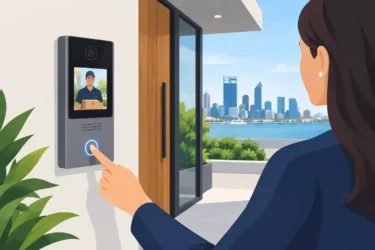
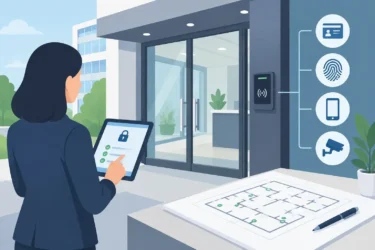
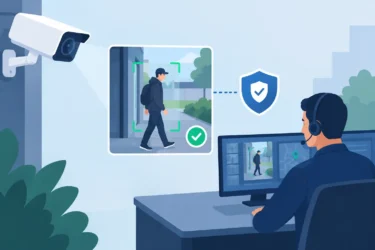
Alarm systems work well as part of a broader home security plan. CCTV can provide visual verification when an alert is received, helping you see whether there is a person at the front door, activity near a side gate or movement around a garage. An intercom can let you identify visitors before opening a gate or door.
Integration should have a practical purpose. For example, a camera view linked to a driveway alarm zone may give a homeowner useful context immediately. Installing technology simply because it is available can make a system harder to manage and more expensive to maintain. A tailored design keeps the controls clear and the response process simple.
Professional installation is a feature in its own right
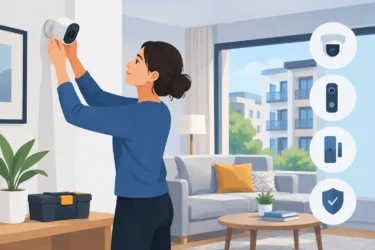
The best alarm hardware can underperform if it is badly located, poorly programmed or installed without consideration for the property. Sensor coverage needs to account for furniture, ceiling height, windows, pets, airflow from air conditioning and the way people enter and move through the home. Cabling, where used, should be neat and protected. Wireless devices need suitable signal testing and ongoing battery checks.
Professional installation also includes commissioning the system properly. That means testing devices, setting sensible entry and exit delays, creating user codes, confirming communications and showing household members how to operate the alarm. A system that feels confusing will often be left disarmed, defeating the reason it was installed.
For homes with a security system already in place, an upgrade may be more suitable than a complete replacement. Existing wired sensors can sometimes be retained if they remain reliable, while an older control panel can be updated to support mobile alerts or improved communications. The right decision depends on the age, condition and compatibility of the existing equipment.
Do not overlook servicing and maintenance
Residential alarms require periodic attention, even when they appear to be working normally. Batteries age, wireless devices need power checks, software settings may require review and household changes can affect how the system should be configured. A renovation, a new pet, a converted study or a newly installed roller door can all change the original security plan.
Regular servicing checks the panel, battery, detectors, sirens and communications path before a fault becomes a larger problem. It is also the right time to remove old user codes and confirm that every family member knows what to do if an alarm activates.
With 30 years of experience protecting Perth properties, Securitec Security approaches home alarms as long-term systems rather than one-off installations. The most effective setup is one you can operate confidently, maintain properly and rely on when your home is most vulnerable.
Choose features around your property’s real risks and routines, then have the system designed and tested by qualified professionals. That is how an alarm becomes a practical source of complete peace of mind, not just another device on the wall.